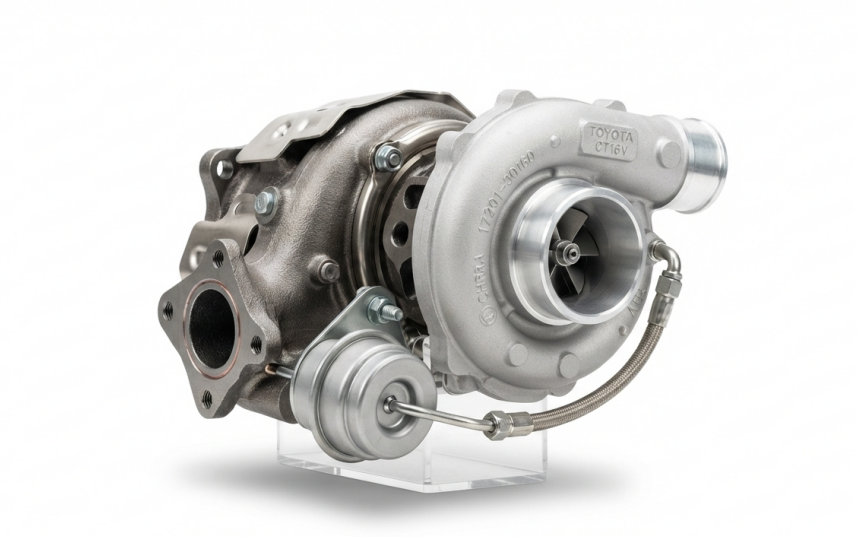
A turbocharger is a component fitted to an engine to increase the amount of air entering the cylinders, allowing the engine to burn fuel more efficiently and producing more power and torque. The engine exhaust gases that would otherwise be lost through the exhaust drive a turbine, which is connected to a compressor by a shaft, forcing compressed air into the engine.
Safari Spares specializes in importing or sourcing vehicle turbochargers. You can Call/ WhatsApp 0717200956 or Email info@safarispares.co.ke
To import your dream car, visit: SAFARI IMPORTS
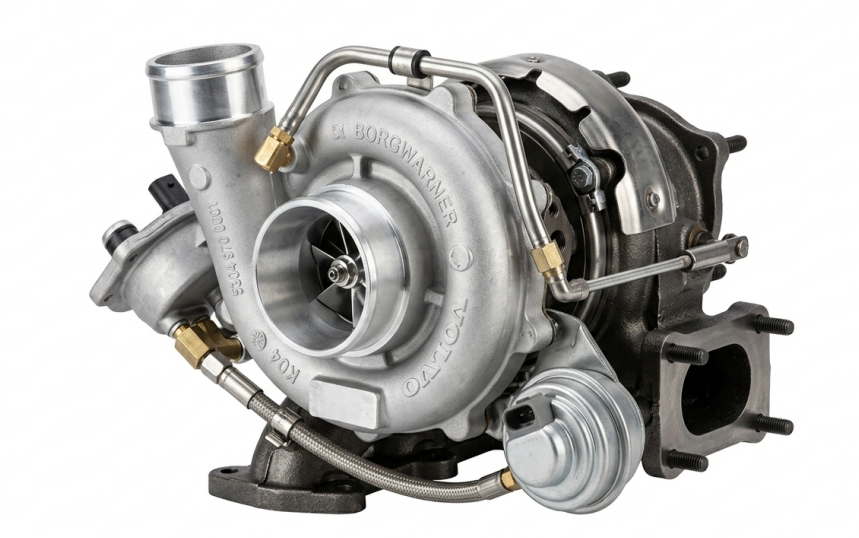
Components of a Turbocharger
- Turbine – This is driven by exhaust gases coming out of the engine
- Turbine housing – It is responsible for directing turbine gases into the turbine wheel. It maintains the appropriate gas velocity and pressure that is needed to drive the turbine
- Compressor wheel – This is connected to the turbine by a shaft, allowing it to turn when the turbine spins. It is located on the intake side of the turbo
- Compressor housing – It surrounds the compressor wheel, directing compressed air into the engine
- Shaft – It connects the turbine and compressor wheel, transferring rotational energy created
- Bearings – They support the turbocharger shaft, allowing it to rotate at extremely high speeds. (Journal bearings, thrust bearings & ball bearings)
- Center housing – Also referred to as the center housing rotating assembly (CHRA), it contains the shaft, bearings, and associated oil passages
- Wastegate – It controls how much exhaust gases reach the turbine. When the desired level of boost pressure is attained, the wastegate diverts exhaust gases around the turbine, preventing excessive boost.
- Actuator – It controls the wastegate. It is operated using vacuum, pressure, or electronic control.
- Intercooler – It is not part of the turbocharger, but plays a significant role in cooling the compressed air before it enters the engine.
READ ALSO: Car Body Replacement Parts | Doors | Bumpers | Tailgate | Bonnet
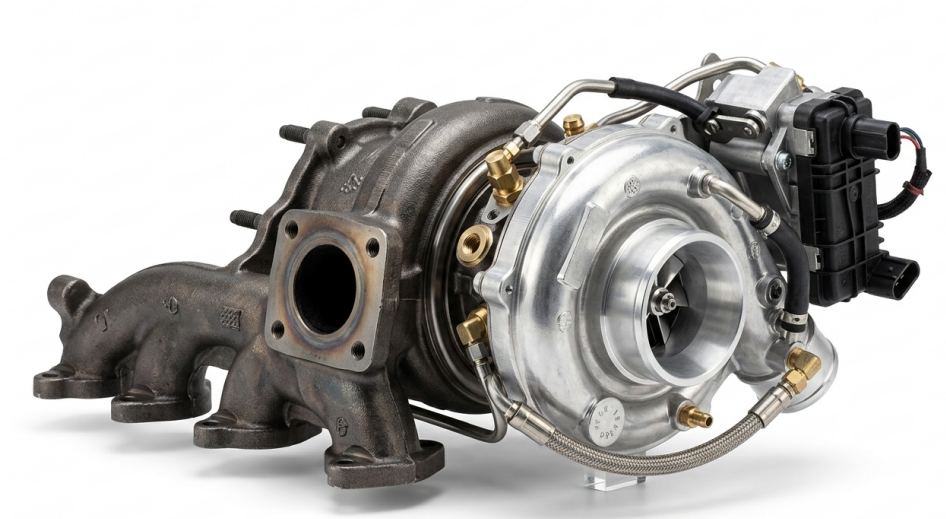
How Does a Turbocharger Work?
(Step 1) The engine produces exhaust gases
(Step 2) Exhaust spins the turbine
(Step 3) The turbine spins the shaft
(Step 4) The compressor draws in air
(Step 5) The compressed air passes through the intercooler
(Step 6) More air enters the engine
(Step 7) More fuel can be burned
Types of Turbochargers
- Single Turbo
- Twin-Turbo
- Twin-Scroll Turbo
- Variable Geometry Turbocharger (VGT/ VNT)
- Electric Turbo (e-Turbo)
- Sequential Turbocharging
READ ALSO: Body Kits in Kenya | Where to Buy
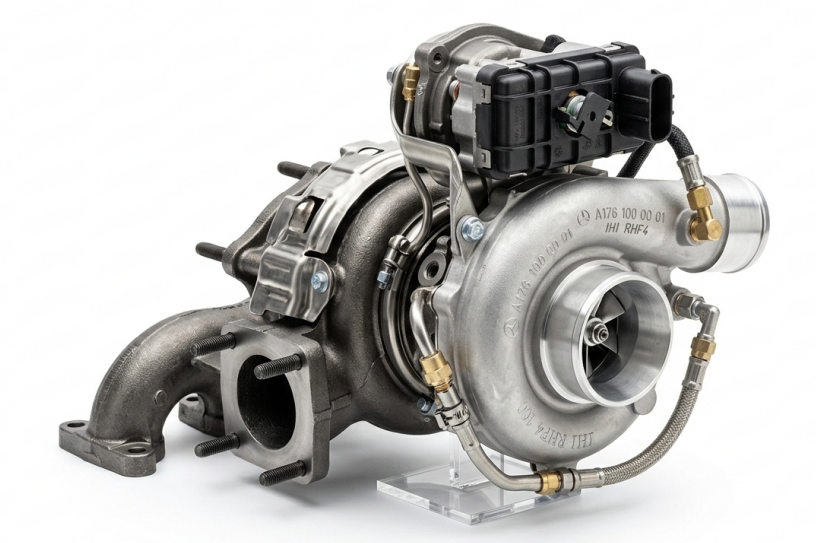
Turbocharger vs Supercharger
| FEATURE | TURBOCHARGER | SUPERCHARGER |
| Energy source | Exhaust gases | Engine power |
| Main advantage | Efficient use of exhaust energy | Immediate response |
| Turbo lag | Possible | Minimal |
| Driven by | Exhaust turbine | Belt or electric motor |
| Efficiency | Generally high | Depends on the design |
| Common use | Petrol & diesel powertrains | Performance cars |
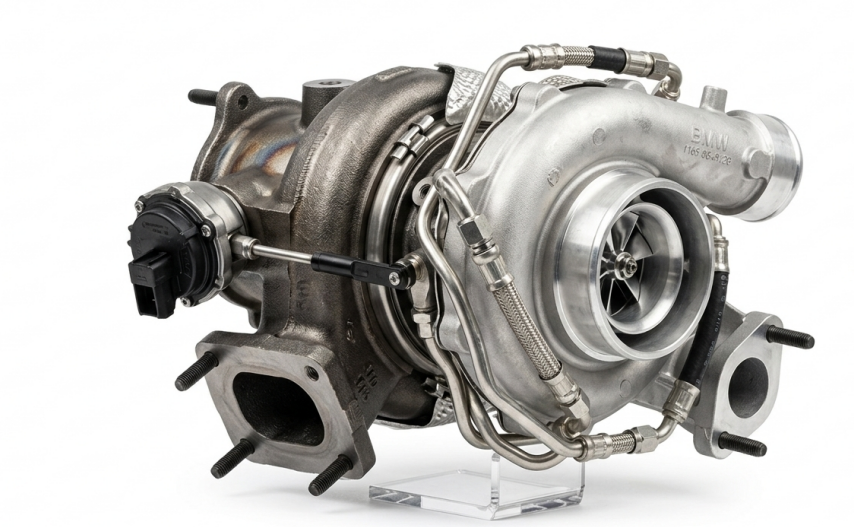
Advantages of a Turbocharger
- More power from a smaller engine
- Better power-to-weight ratio
- Improved torque
- Potential fuel-efficiency benefits
- Better performance
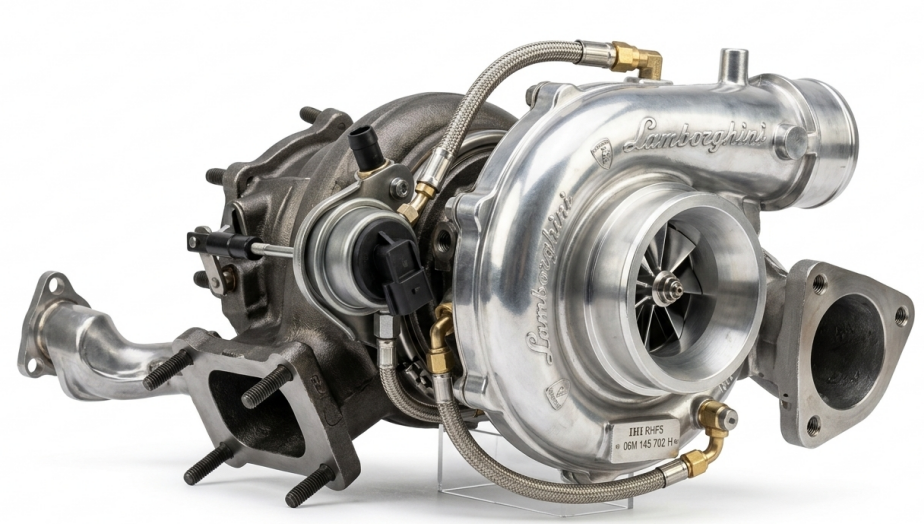
Disadvantages of a Turbocharger
- Turbo lag
- Heat
- Oil requirements
- Additional mechanical complexity
- Expensive repair when damaged
READ ALSO: Air Suspension in Kenya | Where to Buy
What is a Turbo Lag? – This is a delay experienced when a driver steps on the accelerator, and the turbocharger produces substantial boost.
What is a Boost Pressure? – Is the pressure above atmospheric pressure created by the turbocharger in the intake system
Signs of a Faulty Turbocharger
- Loss of engine power
- Excessive smoke
- Blue or black smoke
- Whining noises coming from the engine bay
- Excessive oil consumption
- Poor acceleration
- Check engine light
- Poor boost
- Oil leaks around turbo
- Poor fuel economy
- Engine goes into limp mode
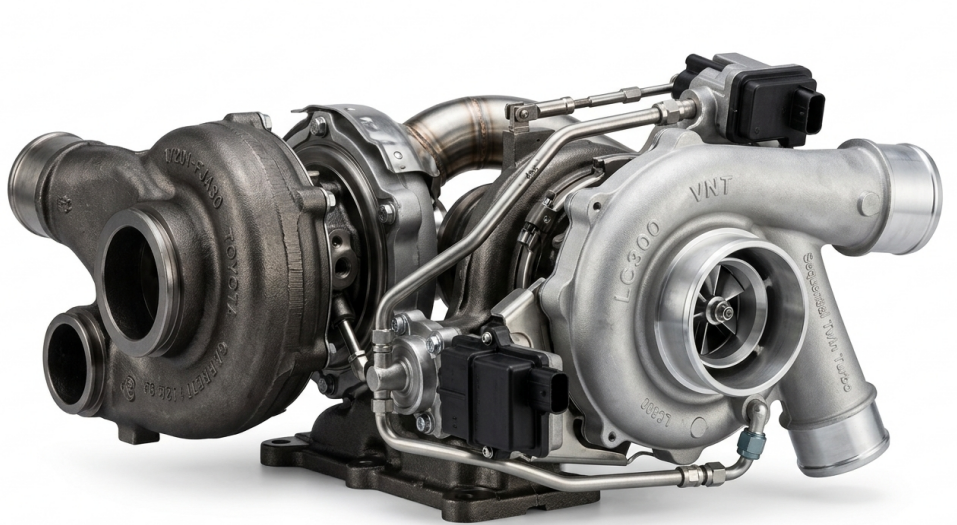
Causes of Turbocharger Failure
- Poor quality engine oil
- Using incorrect oil grade
- Delayed oil changes
- Dirty air filters
- Blocked air lines
- Oil starvation
- Engine overheating
- Excessive boost
- Poor-quality replacement parts
How to Properly Maintain Your Turbocharger
- Change engine oil on schedule
- Use the recommended oil from the manufacturer
- Replace air filters
- Check intake pipes
- Inspect intercooler hoses
- Check oil supply and drain lines
- Address unusual turbo noises very early
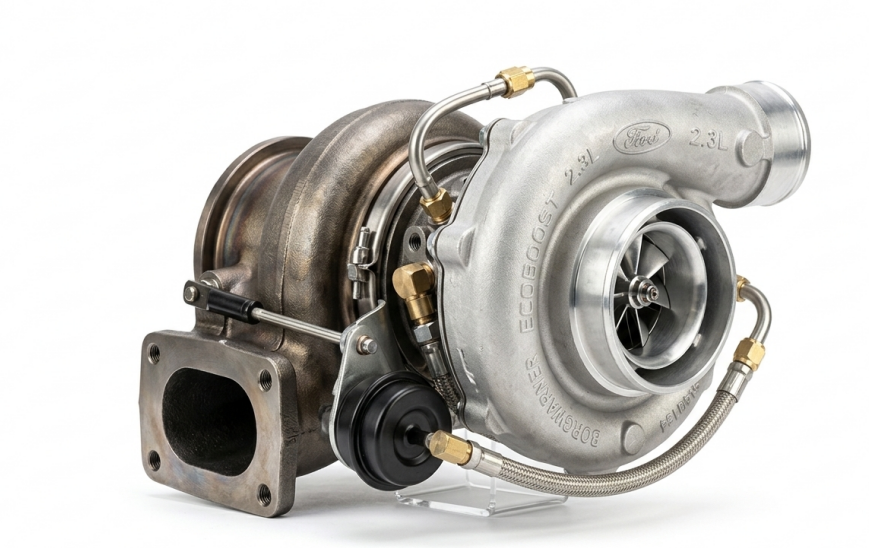
Turbocharger Brands
Garett
BordWarner
Holset
IHI
Mitsubishi Heavy Industries
Hitachi Astemo
READ ALSO: Nose Cuts in Kenya | Where to Buy
When you want to buy a Turbocharger from Safari Spares, present us with the following information;
- Vehicle make
- Model
- Year
- Engine code
- Turbo part number
- Turbo model
- VIN/ Chassis number
- Compressor/ turbine specifications
Safari Spares specializes in importing or sourcing vehicle turbochargers. You can Call/ WhatsApp 0717200956 or Email info@safarispares.co.ke



Need this part or have a question?
Chat with our team on WhatsApp for a fast reply.